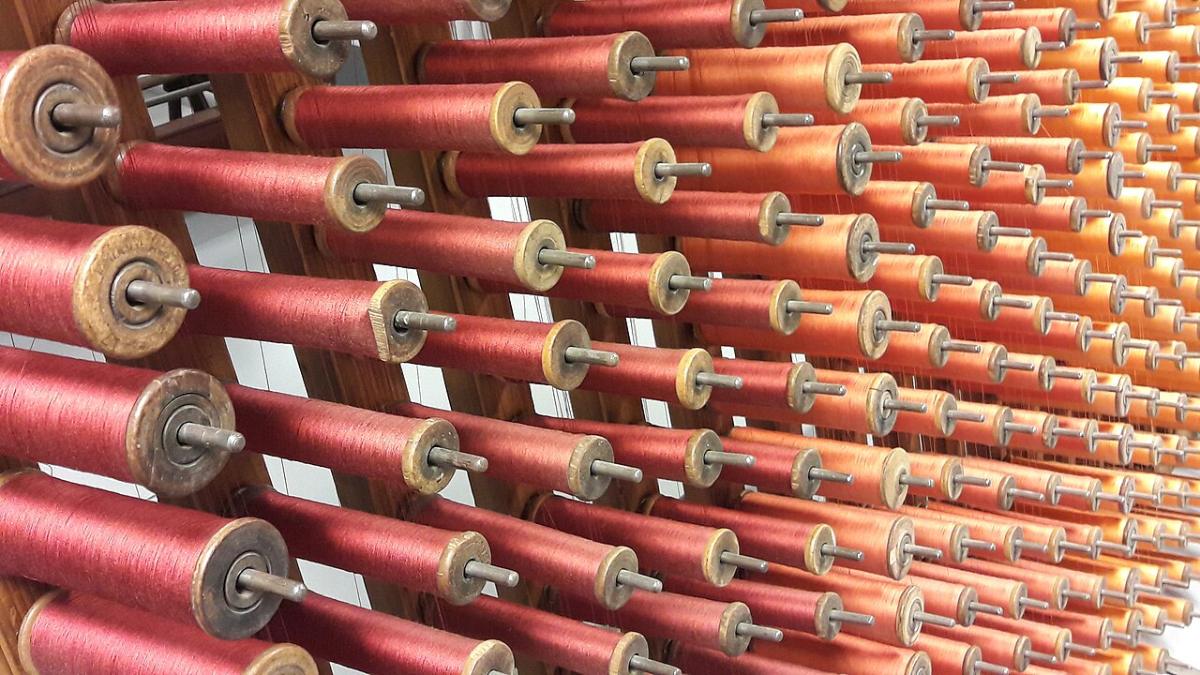
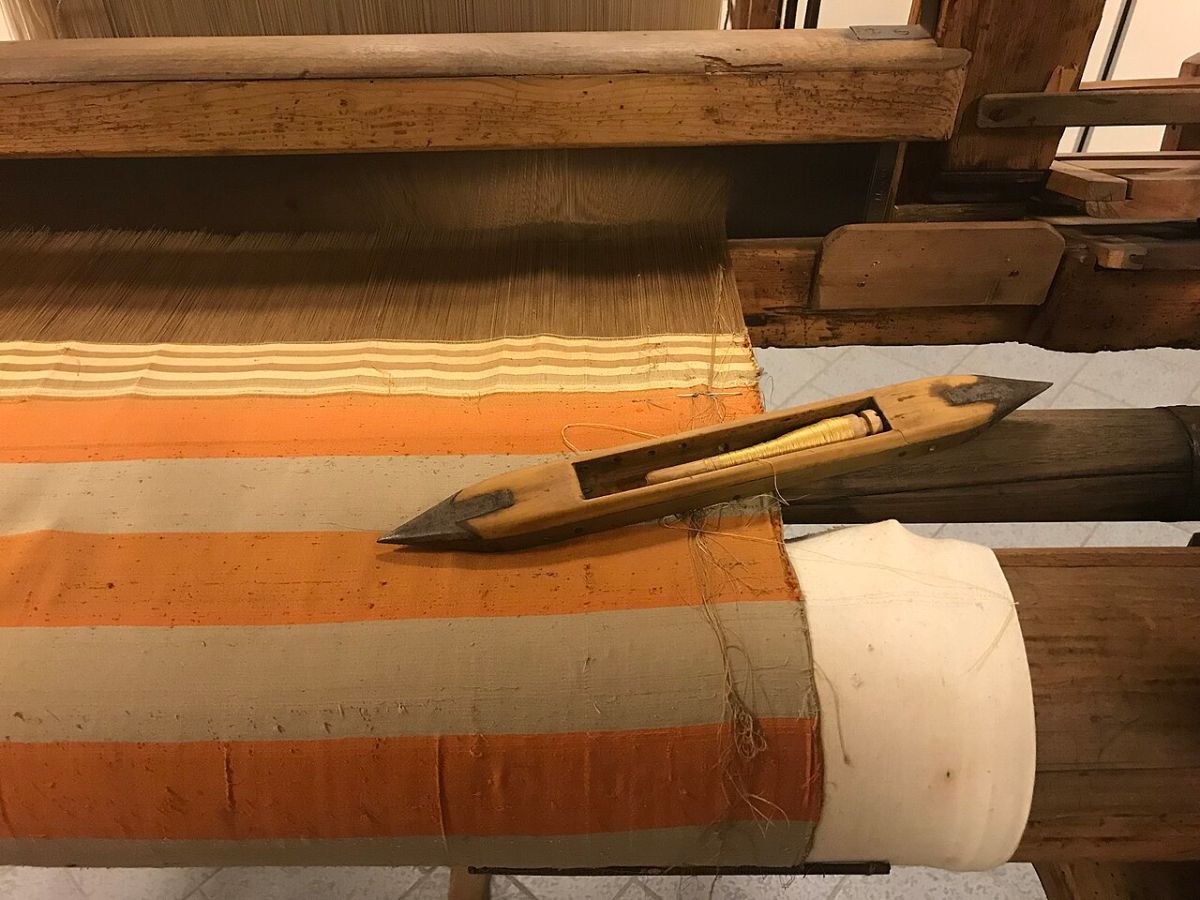
The House · Chapter One
Al suave.
Nicaraguans still say it to mean: take your time. Some say it began with Doña Paya Soza—the woman at the beginning of Marquecci.
The 1950s
A shop with her name on it.
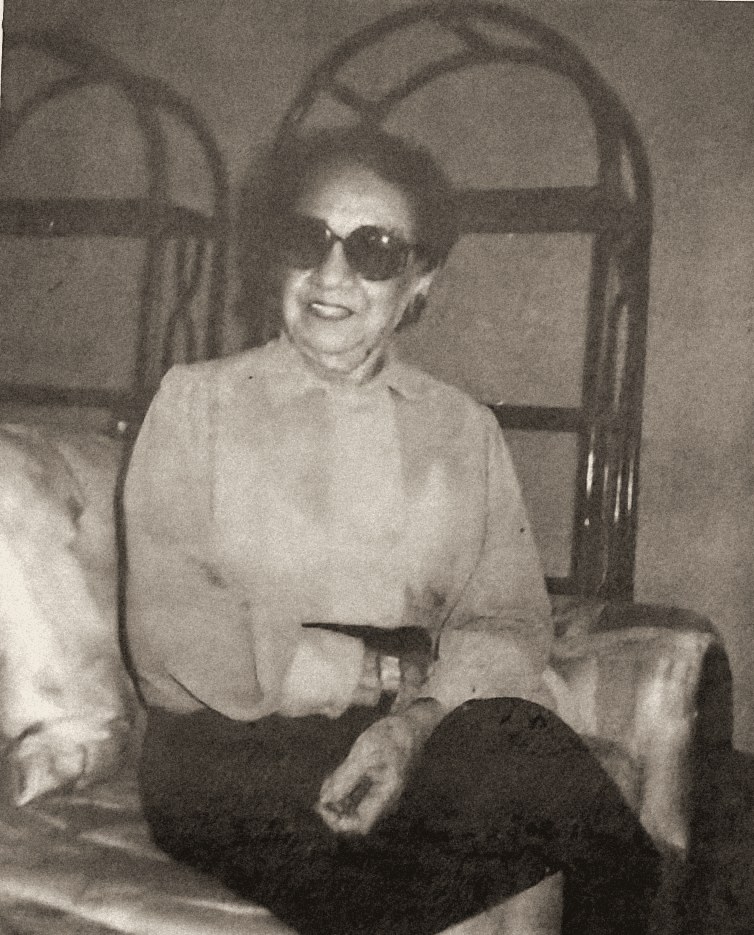
In 1950s Managua, where few women ran their own businesses, Rafaela Villanueva de Soza opened a shop and put her own name above the door: Paya Soza.
From Chinandega, she became known throughout Managua simply as Doña Paya. In 2006, Trinchera de la Noticia called her a roble—an oak—and remembered her as a pioneer of commercial credit. But the story began with something more intimate: a woman understanding what another woman might need in order to begin.
The first purchases were sewing machines. Not ornaments. Tools. A machine could mend a dress, alter a hem, make clothes, and become a way to earn. Through her famous abonos suaves, Doña Paya let women take things home and pay a little at a time.
With Salomón Soza Callejas, she built a family of eight children and a business that outgrew the original shop. Paya Soza became a department store full of clothing and fashion, and the building in barrio San Sebastián became both a place of business and the family home.
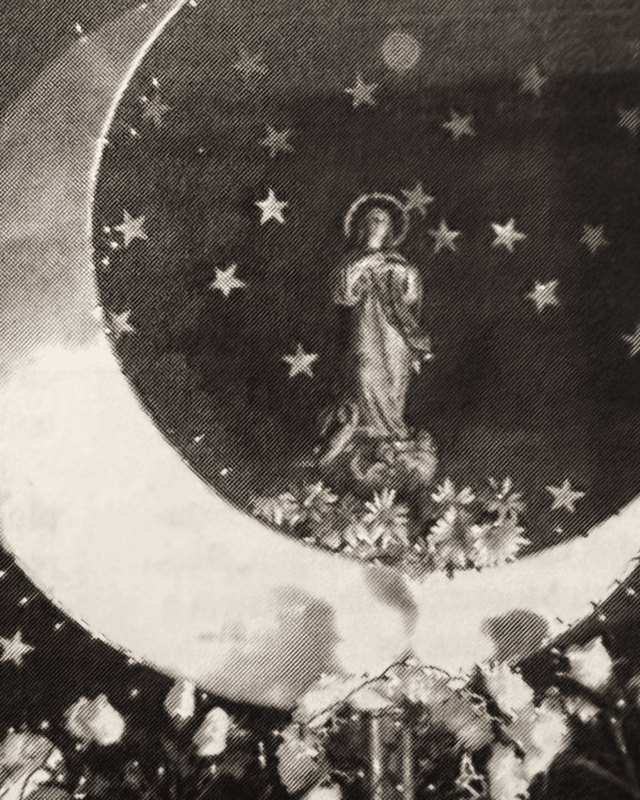
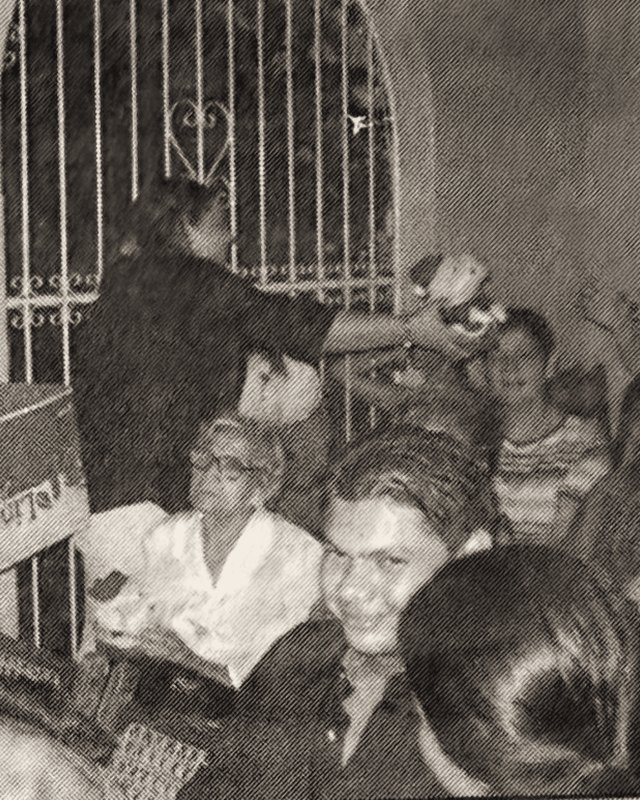
In November, the shop and home became a place of devotion. Candles, flowers, prayers and song filled the rooms for the Purísima. Friends and relatives returned year after year, keeping alive a tradition that began there before the 1972 earthquake took the building away.
Abonos suaves
Pague en abonos suaves.
Take it home today. Pay for it a little at a time. It sounds ordinary now. Then, it changed what was possible.
A sewing machine could change a woman’s life. It could mean mending, altering, making, earning. Few people could pay for one all at once, so Doña Paya let them pay in small instalments.
Independence, in instalments.
Nicaraguans still use al suave to mean take your time. In family memory, this is where the expression began.
23 December 1972
The night the city fell.
Just after midnight, two days before Christmas, the earthquake tore old Managua apart. The shop in San Sebastián—and the home inside it—were gone. So was the city it belonged to.
Linda Vista
She opened again.
She did not wait for the city to return. After the earthquake, Paya Soza reappeared in Linda Vista and later in Centro Comercial Managua. By the middle of the 1970s, some of the businesses already belonged to her children—gifts handed down while she was still alive.
They were not inheriting a legend from a distance. They were learning how to carry it.
1979
And again.
Then came 1979. War, confiscation, intervention, and the loss of the store again. Doña Paya put it plainly: it left her “without a cent, and without wings.”
She was left with nothing. Then she began again.
“But here I am,” she told a reporter years later, “still fighting, because I love to work.”
2003
¡Yo he sido muy coqueta!
“I was always a flirt. I loved strapless dresses, and I wore shoes to match.”
At almost ninety, after nearly fifty years in business, she was still working—and still dressing for the pleasure of it. She loved strapless dresses and shoes to match, music, singing, dancing and her garden. “I was always a flirt,” she said. The woman who put fashion in a store understood the pleasure of a beautiful thing.
Eight children. Thirty-five grandchildren. A life that kept widening.
Legacy
The matriarch.
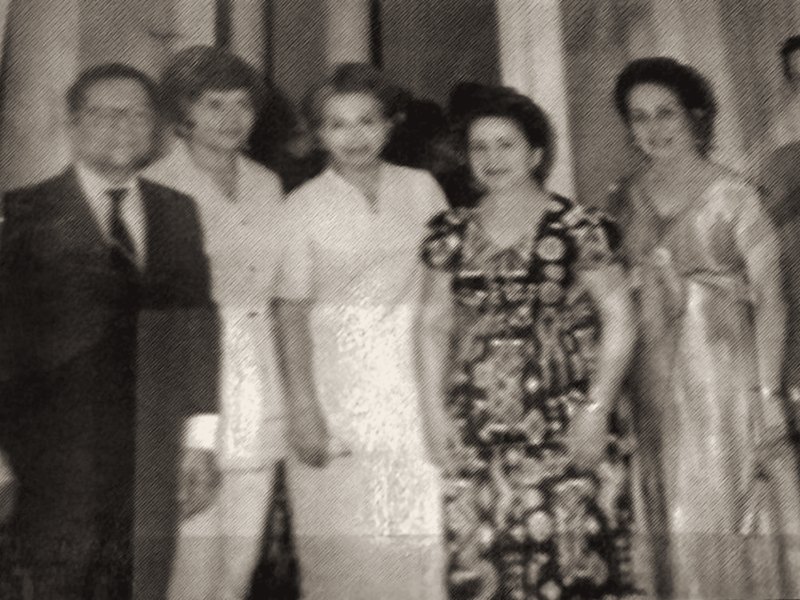
She was the centre of the family. The person who brought everyone back to the same table.
She taught them what never appears in a ledger: how to treat people, build with others, and make a community stronger.
Doña Paya died in Managua on 4 February 2006, at 92. The newspapers called her a roble—an oak. Her advice still hangs over this house: be active, keep your faith, and do not lose heart at the first problem life puts in front of you.
Today
Now, ours.
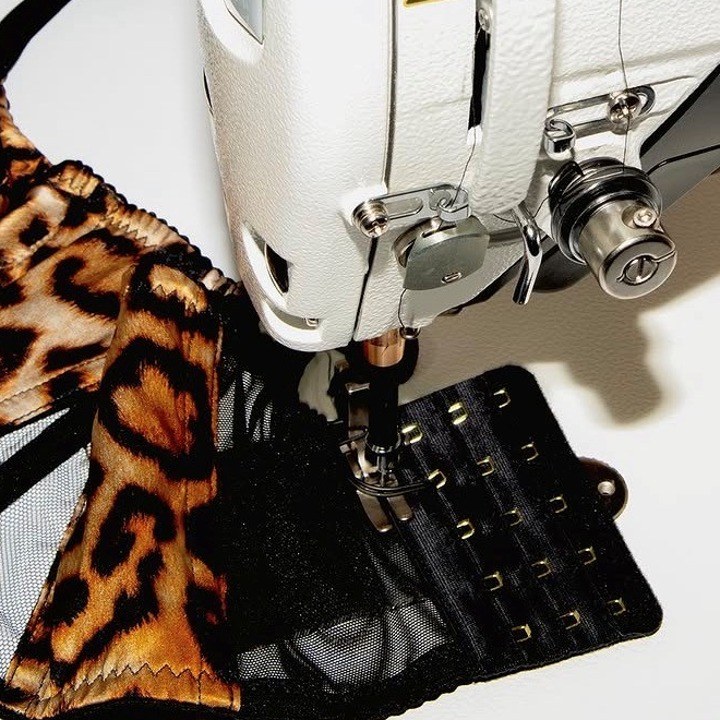
She began with sewing machines—the tools that let women make, mend and earn.
Generations later, Marquecci carries that instinct into another kind of making: pieces designed around the woman who wears them.
The object has changed. The care has not.
In the press
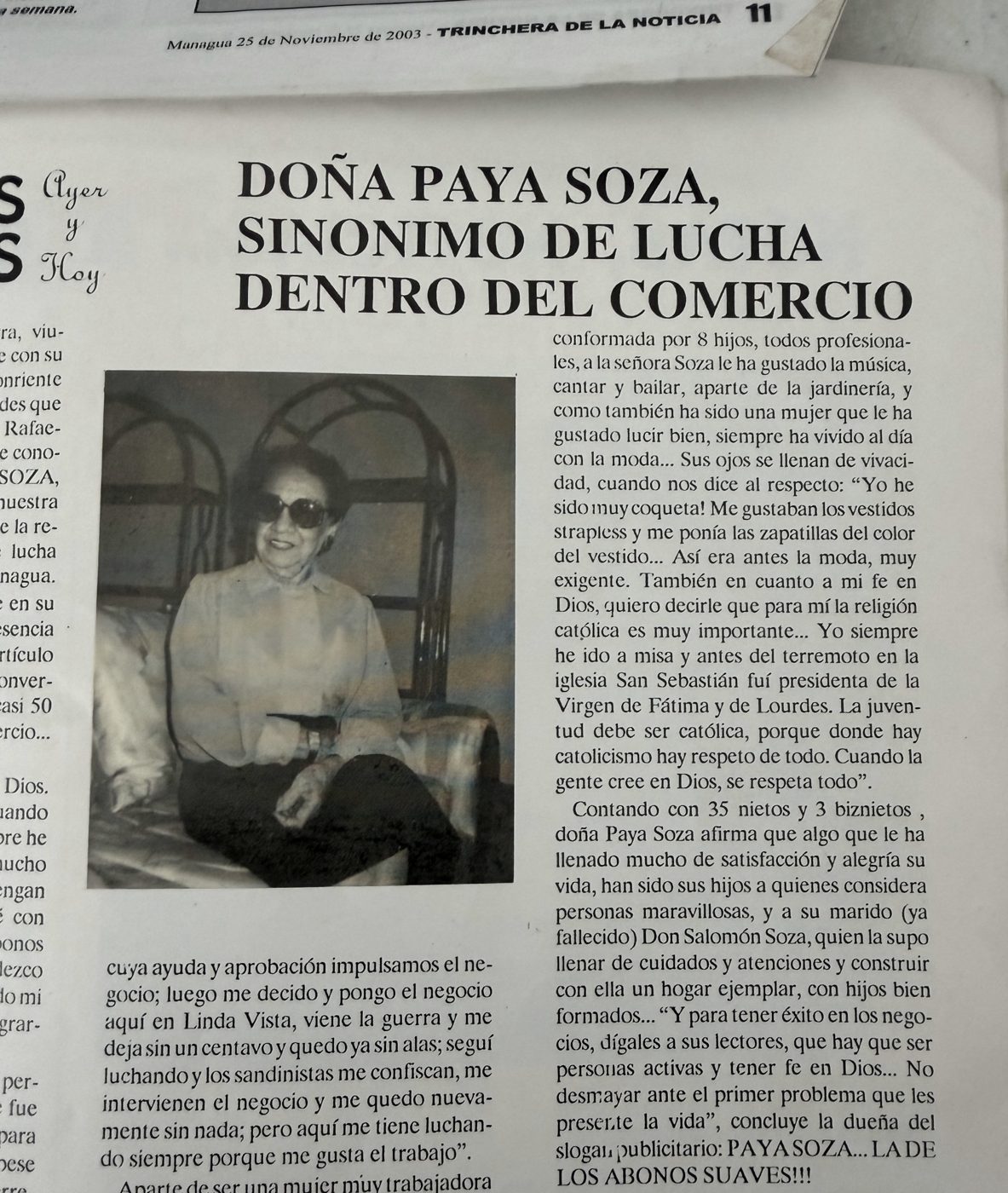
Trinchera de la Noticia25 November 2003
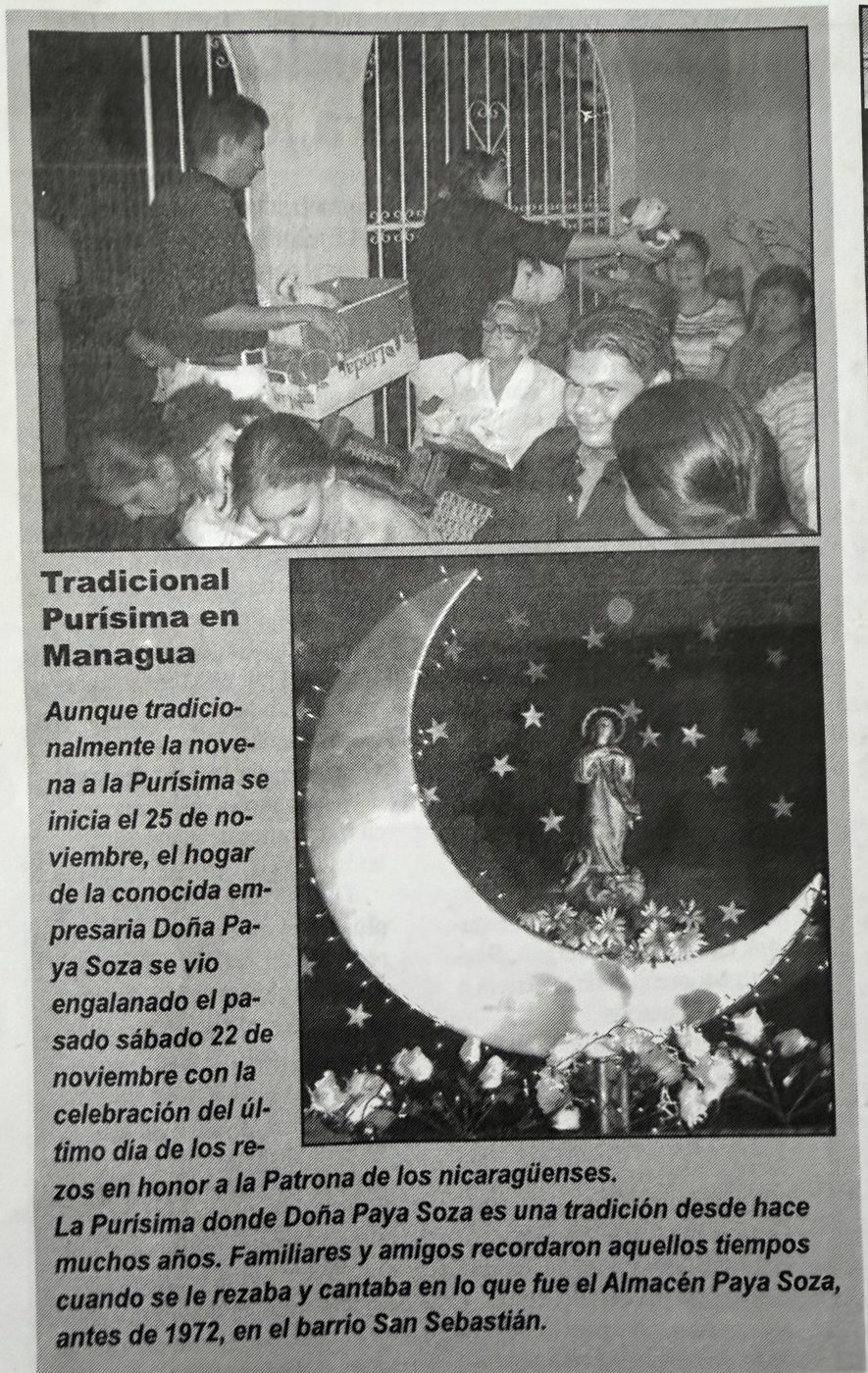
NacionalesNovember 2003
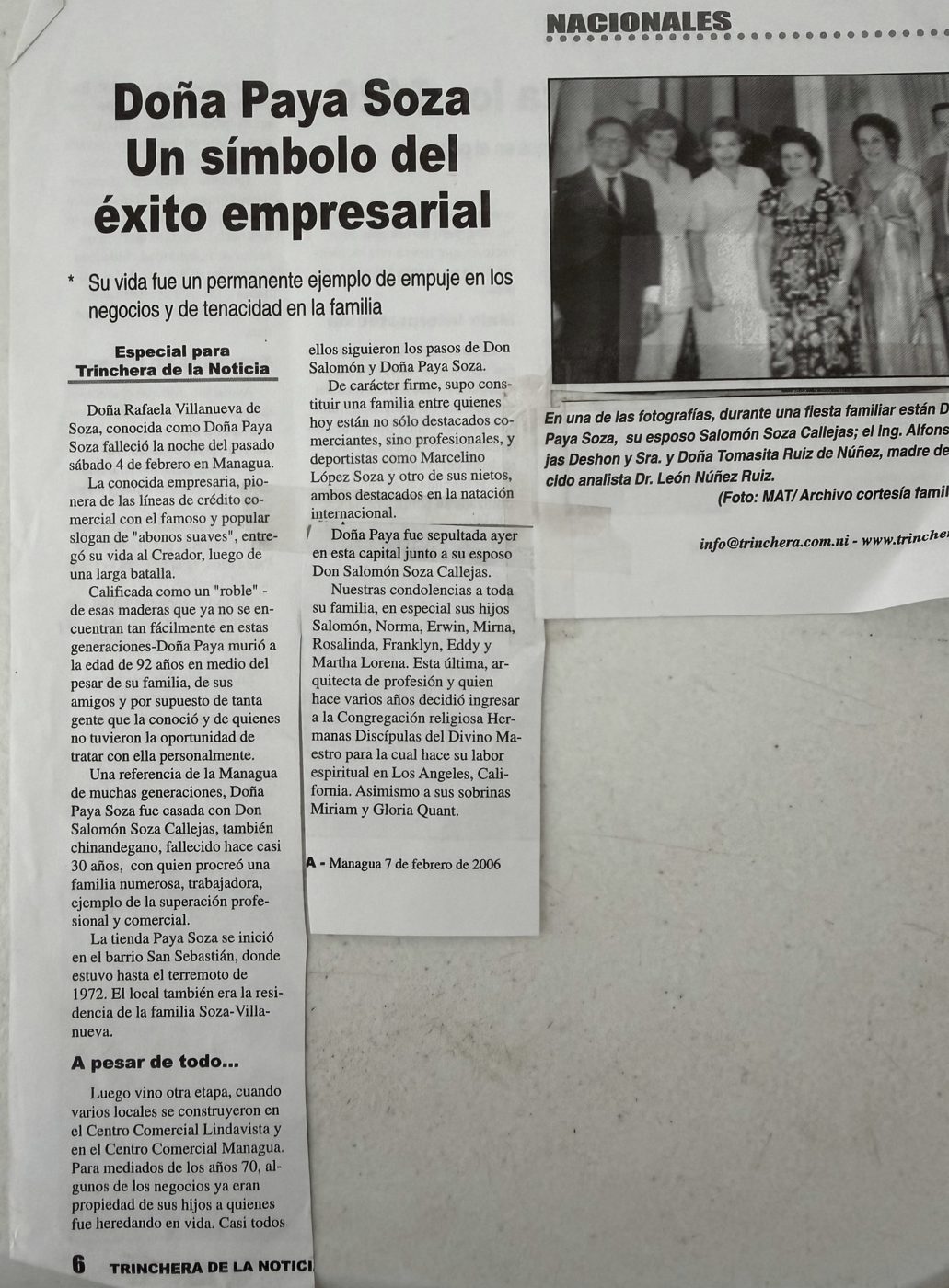
Trinchera de la Noticia7 February 2006
Marquecci carries her way of building forward: with care, patience, and room for a woman to feel like herself.
Al suave.